
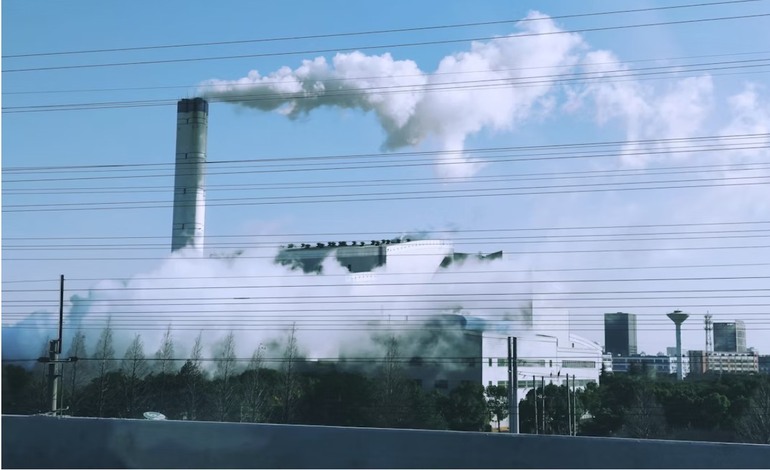
Textile decarbonization or reducing carbon footprint is a business necessity. Explore the 4-step strategy to reduce emissions in fiber sourcing, wet processing, and supply chains.
The Carbon Reality: Compliance Meets Cost
For the global textile industry, climate change is no longer just an environmental talking point—it is a fundamental business challenge. The combined apparel and textile sectors are responsible for an estimated 8-10% of global greenhouse gas (GHG) emissions.
For mill owners and supply chain managers, this statistic represents a direct threat to profitability. Rising energy costs, strict regulations (like the EU’s CBAM), and consumer demand for transparency are turning carbon footprints into a core strategic issue.
Decarbonization is not about “saving the planet” in the abstract; it is about keeping your factory competitive in a regulated market.
Why Carbon is a Solvency Issue
The impact of the textile chain is massive. A report from the European Environment Agency (EEA) noted that textile emissions for the EU alone totaled 159 million tonnes of CO₂-equivalent.
However, the problem is structurally complex. The EEA found that only ~30% of those emissions occurred within Europe. The vast majority happens in the manufacturing hubs of Asia—specifically in fiber production and wet processing.
This geographical disconnect makes one thing clear: Sustainable innovation in manufacturing is mandatory.
Note: Before you can reduce your impact, you must quantify it. Read our technical guide on Know Your Carbon Footprint: How to Measure It to understand Scope 1, 2, and 3 emissions.
Carbon Hotspot Analysis: Where to Focus
Emissions are not spread evenly across the value chain. To solve the problem, we must target the “Hotspots.”
| Value Chain Stage | Primary Emission Drivers |
| 1. Fiber & Yarn | High Energy Intensity. Virgin synthetics (fossil-fuel extraction) and Cotton farming (irrigation pumps/fertilizers) create a massive “embedded” footprint. |
| 2. Wet Processing | The Energy Hog. Dyeing, drying, and steam-fixing consume the most thermal energy (coal/gas). This is the single largest source of direct mill emissions. |
| 3. Logistics & End-of-Life | Transport & Waste. Global shipping and the decomposition of textile waste (methane release in landfills) contribute significantly to the total. |
Strategy 1: The Material Shift (Input Control)
The fastest way to lower a product’s footprint is to change the input. Shifting away from virgin, fossil-fuel-based synthetics is critical.
- Switch to Recycled: Recycled polyester (rPET) drastically lowers energy consumption compared to virgin PET. The Textile Exchange 2025 Challenge urges brands to source at least 45% of their polyester from recycled sources.
- Embrace Bio-Based: Innovations in fibers derived from corn, sugarcane, or agricultural waste offer a path away from petrochemical feedstocks.
Related Insight: See how material choices impact the broader market in our analysis of How Manmade Fiber Growth Is Reshaping the Textile Value Chain
Strategy 2: The Process Shift (Wet Processing R&D)
For production teams, this is the highest ROI area. The goal is simple: Cut thermal energy demand.
Actionable R&D Steps:
- Low-Temp Finishing: Develop processes that cure at lower temperatures to save gas/steam.
- Reduced Rinsing: Design chemical auxiliaries that require fewer wash cycles, saving both water and the energy needed to pump/heat it.
- Machinery Upgrades: Invest in heat recovery systems for stenters and boilers.
Pro-Tip for R&D Teams:
Use Life Cycle Assessment (LCA) tools during the development phase, not as an afterthought. Benchmark your current steam use per kg of fabric and prioritize chemistries that reduce it.
Strategy 3: The Supply Chain Shift
You must map your carbon hotspots across the entire value chain (Scopes 1-3).
- Renewable Energy: Push for on-site solar installation or biomass boilers to replace coal.
- Localization: Shorten transport legs by near-shoring production or consolidating shipments to reduce freight emissions.
Strategy 4: Design for Circularity
We must dismantle the “take-make-waste” model.
- Durability: Design garments that physically last longer, reducing the replacement rate.
- Disassembly: Construct garments that can be easily pulled apart for fiber-to-fiber recycling.
- Zero-Waste Patterning: Implement CAD solutions to minimize fabric waste in the cutting room.
Final Takeaway: Efficiency is the Goal
Reducing the textile carbon footprint is ultimately an exercise in industrial efficiency.
Every solution—from switching to rPET to optimizing a dye recipe—is a direct route to cutting waste and lowering energy bills. The result is a more resilient, profitable, and future-proof supply chain.
Next Step: Once you have optimized your process, you need to prove it to buyers. Read our analysis on The Manufacturer’s Guide to Bluesign Certification to see if this certification is the right ROI for your mill.
For a broader view of where sustainability fits into the production flow, return to the The Ultimate Guide to Textile Manufacturing

4 thoughts on “Reducing the Textile Carbon Footprint: Why It Matters and How We Get There”