ZLD for Textile Dyeing

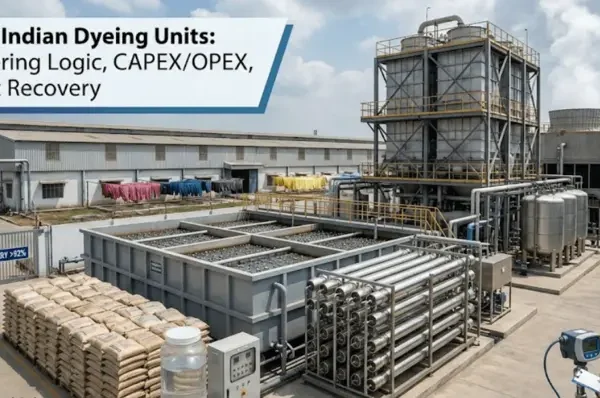
ZLD for Indian Textile Mills: Engineering Logic, CAPEX/OPEX Analysis, and Salt Recovery

For Indian textile dyeing units—specifically in land-locked hubs like Tirupur, Ludhiana, and Pali—Zero Liquid Discharge (ZLD) is no longer just an environmental badge. It is an operational license. As of January 2026, State Pollution Control Boards (SPCBs) in Tamil Nadu, Gujarat, and Rajasthan have tightened monitoring on “Red Category” industries, making the “bypass” of effluent…

Read More
Reactive Dyeing

Different Methods of Reactive Dyeing of Cotton

A Deep, Practical, First-Principles Guide for Modern Dyehouses Why This Topic Matters Reactive dyes remain the backbone of cotton coloration—over 55–60% of global cotton is dyed with them. Yet most mills still rely on legacy recipes, struggle with shade reproducibility, face high salt/alkali costs, and encounter persistent issues: tailing in softflow, barre, low fixation, high…

Read More
fabric pilling

Mastering Fabric Pilling: ISO 12945 Testing Guide

Stop rejections due to fabric pilling. A technical guide to ISO 12945 testing methods, grading standards, and engineering pilling resistance from fiber to finish. The “Fuzz” That Kills Brand Reputation For a consumer, fabric pilling—those annoying small balls of fiber on a sweater—is a clear sign of cheap quality. For a manufacturer, it is a…

Read More
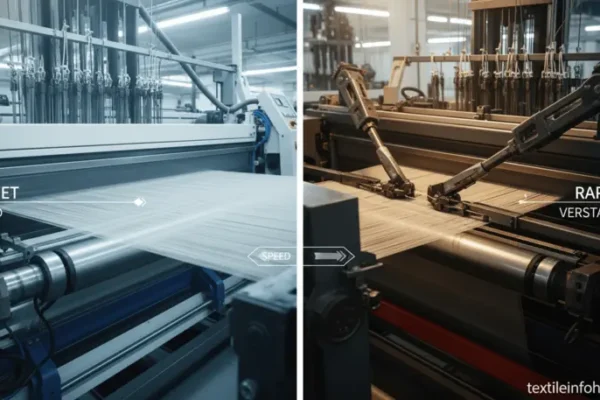
Rapier vs Air Jet

Air-Jet vs. Rapier Looms: Which is Best for Your Mill? – A Capital Investment Guide

Deciding between Air-Jet vs. Rapier looms for weaving technology? We break down the speed, yarn flexibility, energy costs, and ROI to help mill owners make the right 10-15-year investment. The Loom Investment Dilemma: Choosing Technology for the Next 10-15 Years Investing in weaving looms is one of the most financially decisive moments for any mill….

Read More