
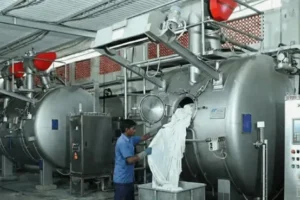
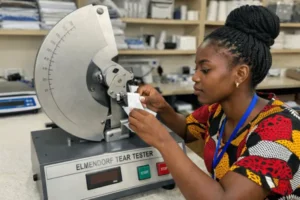
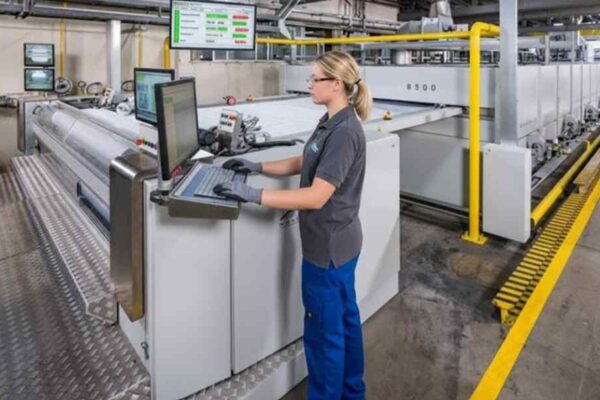
Smart textile processing machine 2026 in modern factory

Textile Processing Machine 2026: Proven Smart Buying Guide for Future-Ready Mills

Future-proof your mill with our 2026 buying guide. We analyze TCO, IoT integration, and sustainability upgrades for textile processing machinery. The Decisive Moment for South Asian Mills South Asia’s textile sector stands at a crossroads. As we approach 2026, the pressure to modernize finishing and dyeing lines is mounting across manufacturing hubs in India, Bangladesh,…

Read More
Manmade Fiber Growth

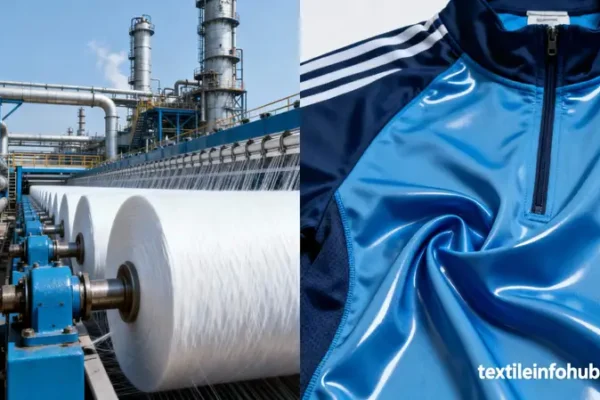
How Manmade Fiber Growth is Reshaping the Textile Value Chain

Manmade fibers (MMF) now dominate 62% of global output. Discover how this shift is transforming sourcing, spinning technology, and sustainability strategies. The Synthetic Takeover For decades, natural fibers like cotton and wool dominated the textile narrative. However, in the last twenty years, Manmade Fibers (MMF)—specifically polyester, viscose, and nylon—have quietly executed a takeover. Today, MMFs…

Read More
carbon footprint

Measuring the Textile Carbon Footprint: A Guide to Scopes 1, 2, & 3 Category

Master textile carbon footprint accounting. Learn to measure Scope 1, 2, and 3 emissions and why global brands mandate this data for supplier contracts. The Metric That Defines Market Access Have you ever calculated exactly how much carbon your business contributes to the atmosphere? For those in the textile supply chain, this is no longer…

Read More

Reducing the Textile Carbon Footprint: Why It Matters and How We Get There

Textile decarbonization or reducing carbon footprint is a business necessity. Explore the 4-step strategy to reduce emissions in fiber sourcing, wet processing, and supply chains. The Carbon Reality: Compliance Meets Cost For the global textile industry, climate change is no longer just an environmental talking point—it is a fundamental business challenge. The combined apparel and…

Read More