
Circular Economy

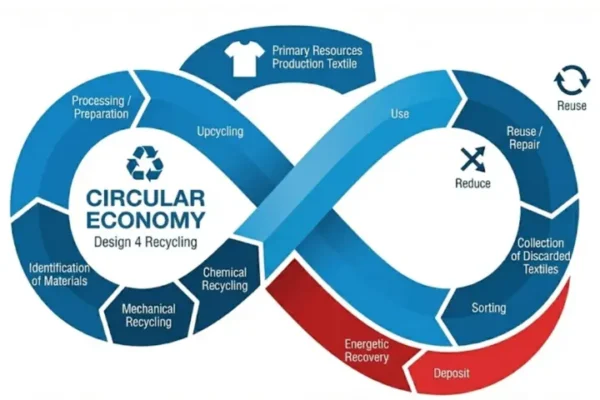
Circular Economy in Textiles: Regulatory Mandates & Market Scope

For Mill Owners and Textile Engineers, “Circularity” or Circular Economy is often dismissed as a buzzword or a marketing gimmick. This is a dangerous misconception. The transition from linear to a Circular Economy is a fundamental industrial shift, comparable to the adoption of automation in the 1990s. It is no longer a choice of “being…
Read More
ISO 9001:2015

ISO 9001:2015 – Certification Master Guide for Textile Wet Processing Mills

Most mill owners treat ISO 9001 as a marketing badge to satisfy a buyer’s compliance checklist. This is a missed opportunity. In a wet processing unit, you are managing chaos. You are juggling variable water parameters, fluctuating steam pressure (6-8 bar), and dosage inconsistency of chemicals and dyes If implemented correctly, ISO 9001 is not…

Read More
ZLD for Textile Dyeing

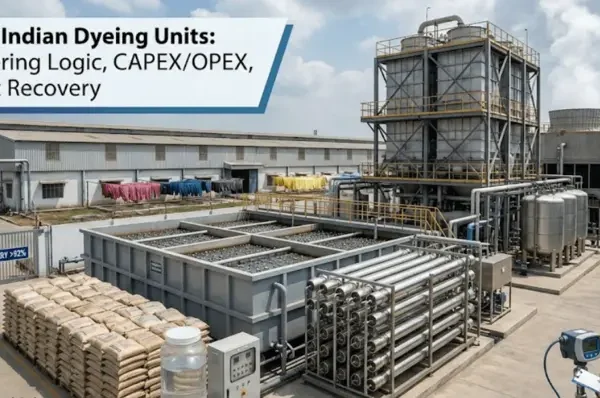
ZLD for Indian Textile Mills: CAPEX/OPEX Analysis, and Salt Recovery

For Indian textile dyeing and processing units—especially in hubs like Tirupur, Ludhiana, and Pali—Zero Liquid Discharge (ZLD) is no longer a “green badge.” It is an operating license. With OCEMS/online monitoring and tighter scrutiny of red-category discharge in many clusters, the real question has shifted from “Do we need ZLD?” to: “What will ZLD cost…

Read More
ISO 105 Color Fastness

ISO 105 Explained Completely: The Definitive Guide to Color Fastness Testing in Textiles

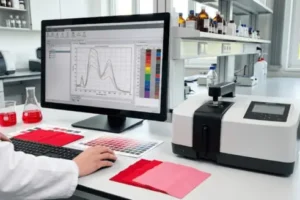
In textile processing, color fastness is not a laboratory ritual performed to satisfy buyers. It is a direct measure of how well chemistry, process control, and quality discipline have been executed on the shop floor. When garments bleed, fade, or stain other fabrics, the failure is rarely accidental. It is almost always predictable—and preventable. The…

Read More