Textileinfohub

ZLD for Textile Dyeing

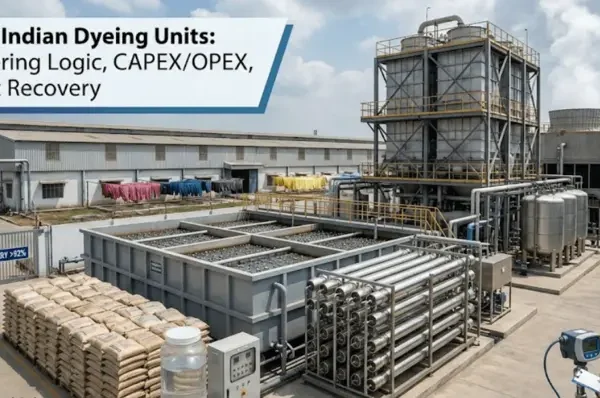
ZLD for Indian Textile Mills: Engineering Logic, CAPEX/OPEX Analysis, and Salt Recovery

For Indian textile dyeing units—specifically in land-locked hubs like Tirupur, Ludhiana, and Pali—Zero Liquid Discharge (ZLD) is no longer just an environmental badge. It is an operational license. As of January 2026, State Pollution Control Boards (SPCBs) in Tamil Nadu, Gujarat, and Rajasthan have tightened monitoring on “Red Category” industries, making the “bypass” of effluent…

Read More
ISO 105 Color Fastness

ISO 105 Explained Completely: The Definitive Guide to Color Fastness Testing in Textiles

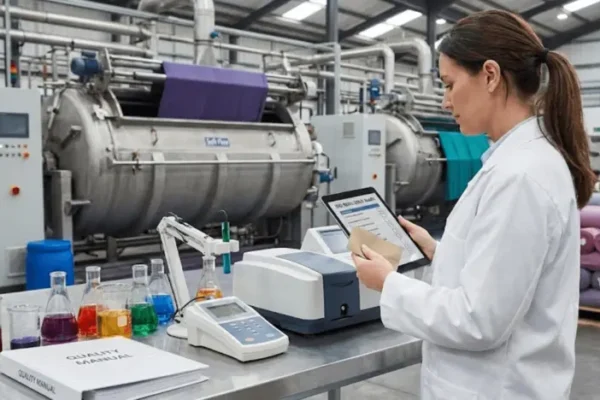
In textile processing, color fastness is not a laboratory ritual performed to satisfy buyers. It is a direct measure of how well chemistry, process control, and quality discipline have been executed on the shop floor. When garments bleed, fade, or stain other fabrics, the failure is rarely accidental. It is almost always predictable—and preventable. The…

Read More
Reactive Dyeing

Different Methods of Reactive Dyeing of Cotton

A Deep, Practical, First-Principles Guide for Modern Dyehouses Why This Topic Matters Reactive dyes remain the backbone of cotton coloration—over 55–60% of global cotton is dyed with them. Yet most mills still rely on legacy recipes, struggle with shade reproducibility, face high salt/alkali costs, and encounter persistent issues: tailing in softflow, barre, low fixation, high…

Read More