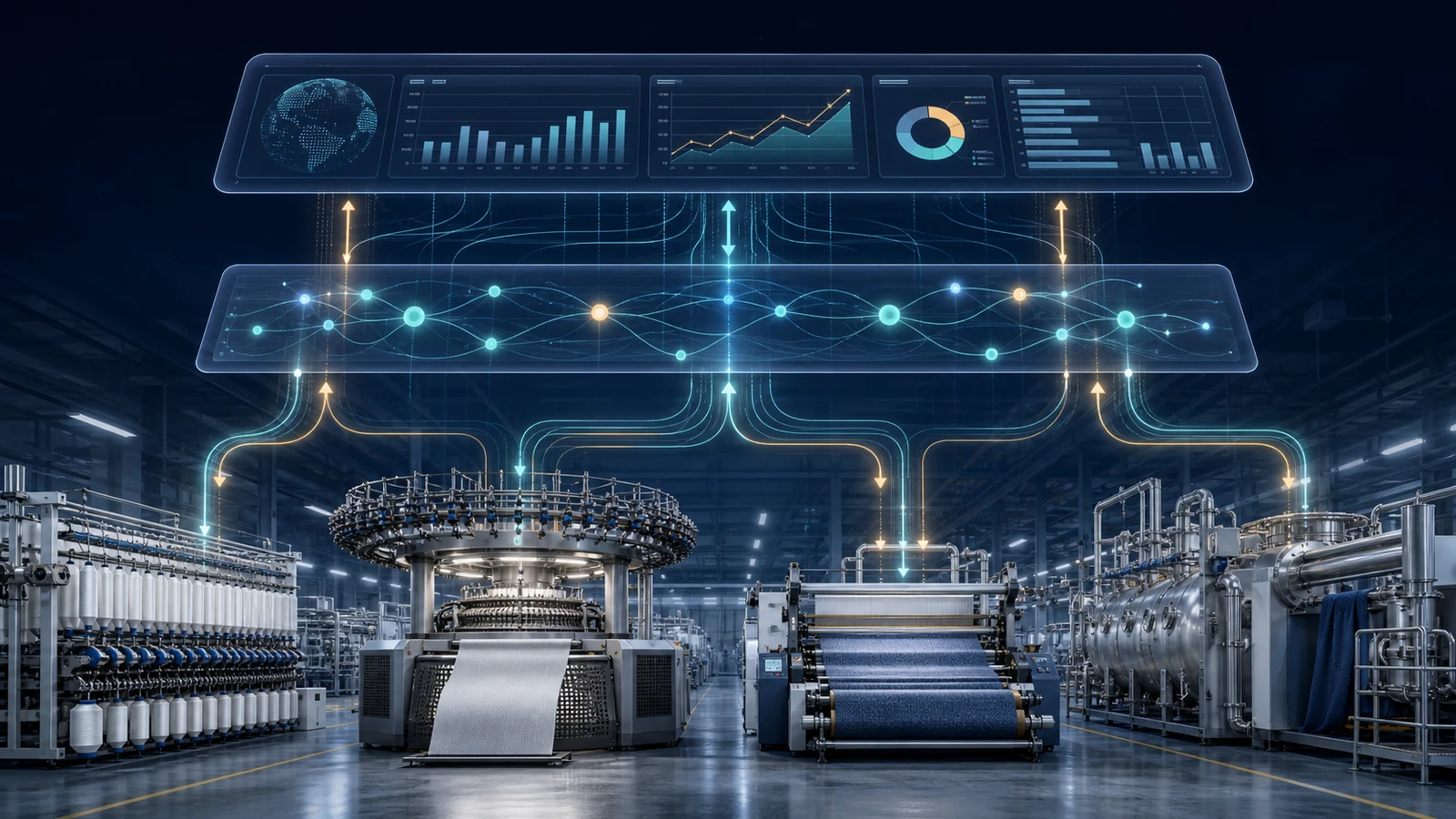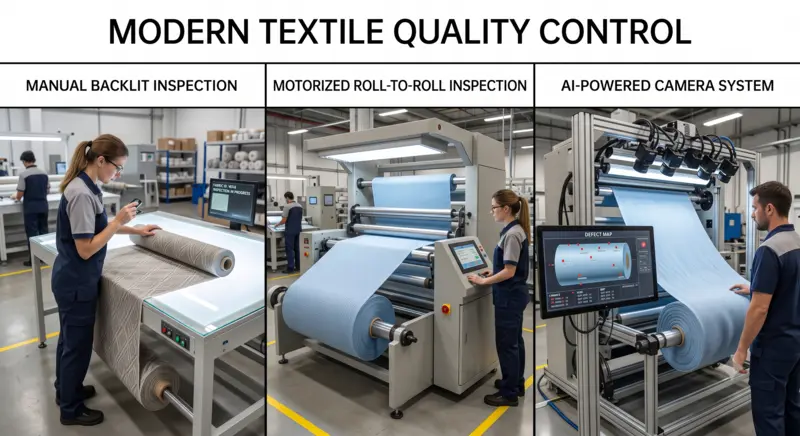
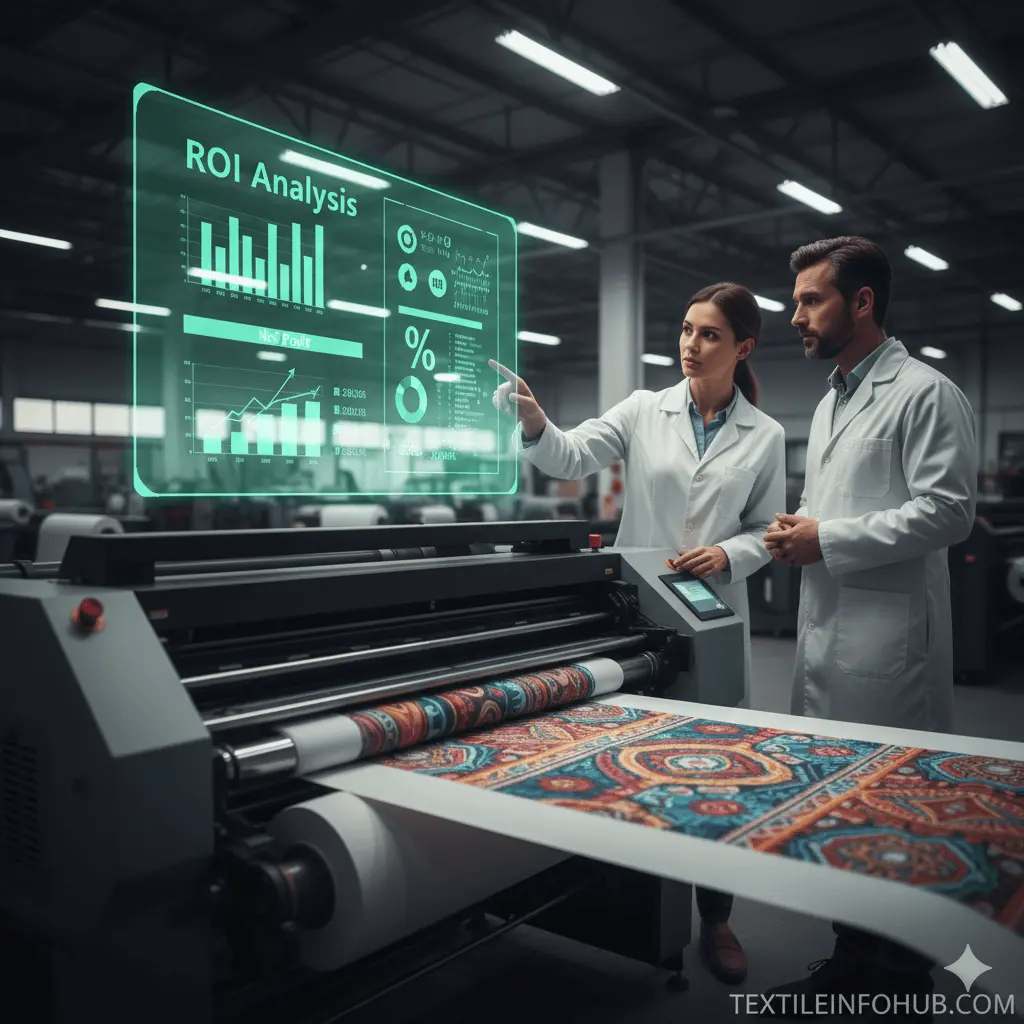
In the textile industry, phrases like “digital transformation” and “industry 4.0” are thrown around a lot. But for a textile printing facility, these aren’t just buzzwords. They represent a fundamental shift in how we approach production, and crucially, how we generate profit. This is where Digital Textile Printing Comes in Picture.
For decades, rotary screen printing has been the undisputed king of high-volume textile printing. It’s robust, it’s reliable, and it’s what everyone knows. But the market has changed dramatically. Speed, customization, and sustainability are no longer niche demands; they’re standard expectations. This shift has pushed digital textile printing from a nascent technology to a serious contender, often outperforming traditional methods in ways that directly impact your bottom line.
The question for any mill owner or operations manager isn’t whether digital printing is “better” in theory, but what its Return on Investment (ROI) actually looks like in practice. This isn’t a simple calculation of machine cost versus print speed. It’s a comprehensive cost-benefit analysis that delves into everything from inventory management to market responsiveness.
Let’s break down the tangible financial advantages of making the switch.
Understanding the True Costs of Traditional Rotary Screen Printing
Before we can appreciate the ROI of digital textile printing, we need a clear picture of the costs associated with rotary screen printing. Many of these are “hidden” or simply accepted as the cost of doing business.
- Screen Engraving & Setup: Each color requires a separate screen. Engraving, preparing, and washing these screens is a time-consuming and labor-intensive process. This leads to:
- High upfront costs for screen production.
- Significant setup time (makeready) between designs, meaning machines sit idle.
- Storage space requirements for thousands of screens.
- Ink Waste: Changing colors, washing down machines, and preparing print pastes generate substantial ink waste.
- Water & Energy Consumption: Screen washing alone consumes enormous amounts of water and energy, especially for processes involving multiple colors.
- Minimum Order Quantities (MOQs): Due to high setup costs, rotary printing only becomes cost-effective at very high print runs. This limits flexibility and ties up capital in inventory.
- Color Matching & Rework: Achieving precise color on screens can involve multiple trials, leading to fabric waste and delays.
The Direct Financial Benefits of Digital Textile Printing
Now, let’s look at how digital printing directly addresses, and often eliminates, these traditional cost centers.
1. Reduced Setup Costs & Time
- No Screens: This is the most obvious. Digital printing eliminates the need for screen engraving, preparation, and storage. This means:
- Zero screen costs: A direct saving of potentially thousands of dollars per design.
- Near-instantaneous setup: Switching designs is as simple as loading a new file. This dramatically reduces non-productive machine time.
- No physical screen inventory: Frees up valuable factory space.
2. Minimized Waste & Energy Consumption
- Ink-on-Demand: Digital printers only apply ink precisely where it’s needed. This virtually eliminates ink waste from preparation and wash-downs.
- Lower Water & Energy: No screens mean no screen washing, leading to massive reductions in water and associated energy costs for drying and heating.
- Reduced Fabric Waste: The first print is the final print. No test runs or misaligned screens mean less fabric waste.
3. Flexibility for Short Runs & Customization
- No MOQs: Digital printing makes short runs and even one-off prints economically viable. This opens doors to new markets:
- Fast fashion: Rapid response to trends without committing to huge inventory.
- Customization: Personalized products, sports team uniforms, bespoke interior decor.
- Sampling: Cost-effective prototyping and sample production.
- Faster Time-to-Market: The elimination of screen preparation significantly compresses lead times, allowing you to get new designs to market weeks or even months faster.
4. Expanded Design Capabilities & Color Gamut
- Unlimited Colors: Digital printers can reproduce an almost unlimited number of colors and intricate details without additional cost per color. Traditional methods are limited by the number of screens.
- Complex Designs: Gradients, photographic realism, and fine lines that are impossible or cost-prohibitive with screens become standard. This allows for higher-value, more intricate designs.
The ROI Calculation: Beyond Direct Savings
While the direct cost savings are compelling, the true ROI of digital textile printing often comes from indirect benefits and new revenue streams.
1. Inventory Reduction
- Reduced Risk: The ability to print on demand means less need to hold vast quantities of pre-printed fabric, reducing capital tied up in inventory and minimizing the risk of unsold stock due to changing trends.
- Cash Flow Improvement: Lower inventory means better cash flow.
2. Enhanced Market Responsiveness & New Revenue
- Trend Agility: React to fleeting fashion trends rapidly, capturing sales that would be lost with longer lead times.
- Micro-Brands & Startups: Attract new customers (small brands, designers, individuals) who cannot meet traditional MOQs.
- Product Diversification: Easily experiment with new designs, patterns, and product lines without significant investment.
3. Sustainability as a Market Differentiator
- Eco-Friendly Operations: The drastic reduction in water, energy, and chemical waste is a significant environmental benefit.
- Brand Value: This allows you to market your products and services as more sustainable, appealing to environmentally conscious brands and consumers. This can command a premium price or win contracts. For a deeper dive into eco-friendly textile processes, explore our guide on
Reducing Carbon Footprint in Mills.
Is Digital Printing Always the Answer? A Realistic Look
It’s crucial to acknowledge that digital printing isn’t a magic bullet for every single scenario.
- Initial Capital Investment: High-speed, industrial digital printers are a significant upfront cost. This is the primary hurdle for many companies.
- Ink Costs: While there’s less waste, digital inks can sometimes have a higher unit cost compared to traditional print pastes, especially for very basic, high-volume designs.
- Very High Volume Runs: For extremely long, simple print runs (e.g., millions of yards of a basic polka dot), rotary printing might still be marginally more cost-effective per yard, but this is increasingly rare in today’s market.
However, the “break-even” point for digital printing is consistently falling as technology improves and ink prices become more competitive. Many analyses now show digital becoming more economical than rotary for runs as low as 1,000-2,000 meters, a figure that continues to decrease.
Conclusion: Making the Digital Leap
The ROI of upgrading to digital textile printing isn’t just about saving money in the short term. It’s about future-proofing your business, unlocking new revenue streams, and positioning yourself as a flexible, sustainable, and responsive player in a rapidly evolving market.
The initial investment requires careful planning and a clear understanding of your current cost structures. But for any textile printing business looking to thrive in the coming decade, a thorough cost-benefit analysis will almost certainly point towards making the digital leap. The benefits in agility, waste reduction, and market expansion are becoming too significant to ignore.